

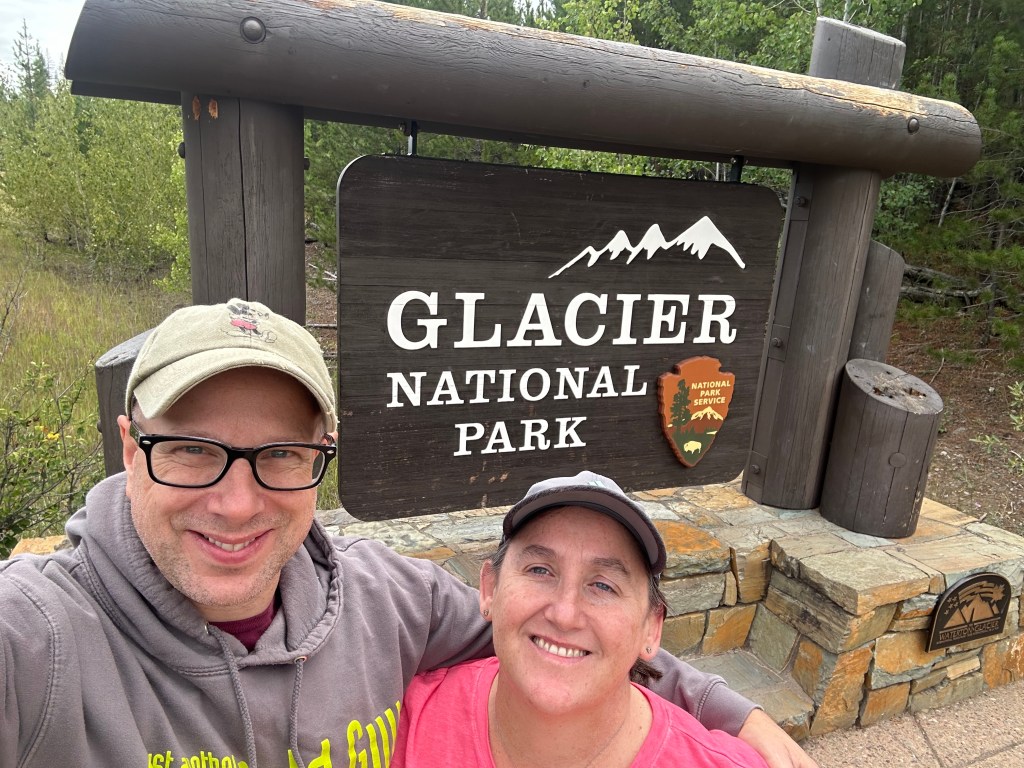
This place is like something out of Lord of the Rings: desolate, inaccessible, and breathtaking. We knew very little beforehand, beyond anecdotal reports of its beauty. But such reports without context or explanation do not much capture my fascination. I have questions: Why did this area merit becoming a national park? Why is it called “Glacier” National Park? And finally what do people do while in the park? I could have researched such things in advance, but why ruin the surprise? 😊
After a couple days in the park, we know what all the fuss is about, we know better how to approach the park next time, and we’re grateful for the experience. First things first: it’s called “Glacier” because :1) it is very high in elevation and has 25 actual glaciers that remain in the park, and 2) the entire park consists of mountains shaped by glacial movement over the various ice ages. The park covers over a million acres of alpine terrain at the peaks of the Rocky Mountains, and includes something like 175 mountain peaks, some over 10,000 feet in elevation. What do people do? Drive and hike. That’s basically it.
Most of Glacier is simply unreachable. It is phenomenally large and most of it is literally just the Rocky Mountains, which are unreachable to mere mortals. Many other areas are reachable only by travelling several hours over potholed gravel roads that will test the strength of your dental fillings or by engaging in international travel into Canada then back south by way of a Canadian lake ferry back into Glacier Park.
Seriously this place just doesn’t care about you. Like an aloof mother-in-law, Glacier itself doesn’t want you to be there; you must be the one to “want” to be there, and you better make sure you have your crap together because Glacier will not make it easy for you. Paved roads are a luxury. The most popular trails are long and high in elevation. Driving anywhere takes hours even on the paved roads.
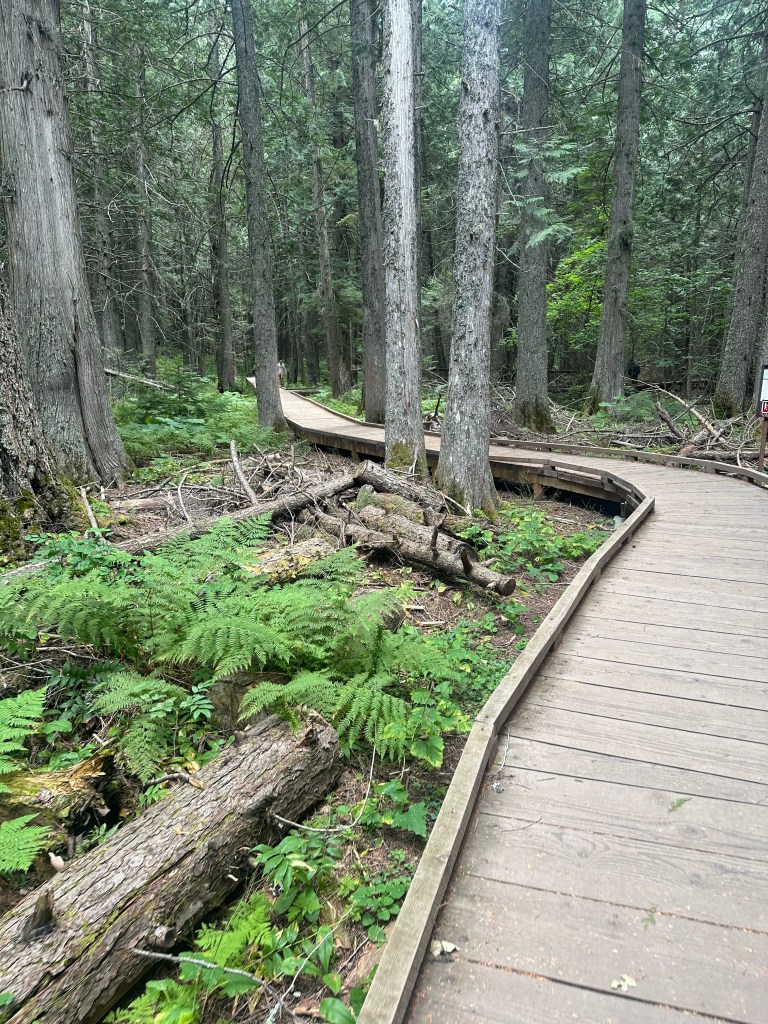
Because Glacier is overlaid across the Rocky Mountains, it covers both sides of the continental divide, meaning the entire park is divided into east and west. The west side has a more typical Pacific NW forest feel, with bushy fir trees and thicker undergrowth. The east side of the park is more typical Eastern Montana plains feel with tall grasses, scraggly pines, and barren rocky areas.
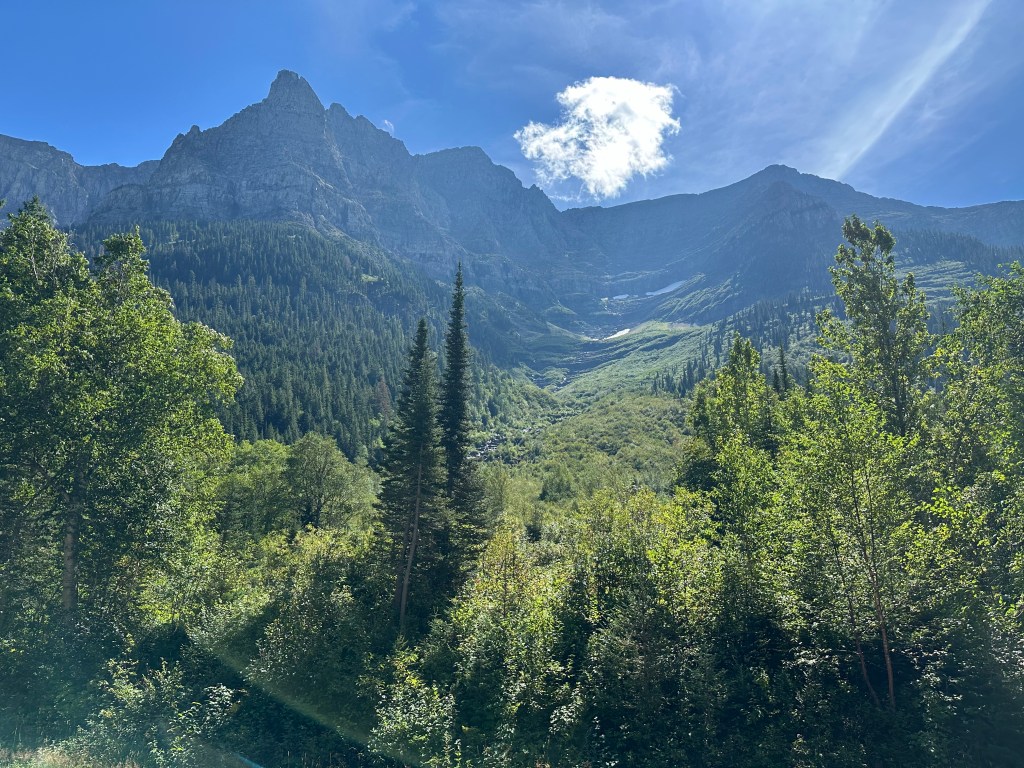
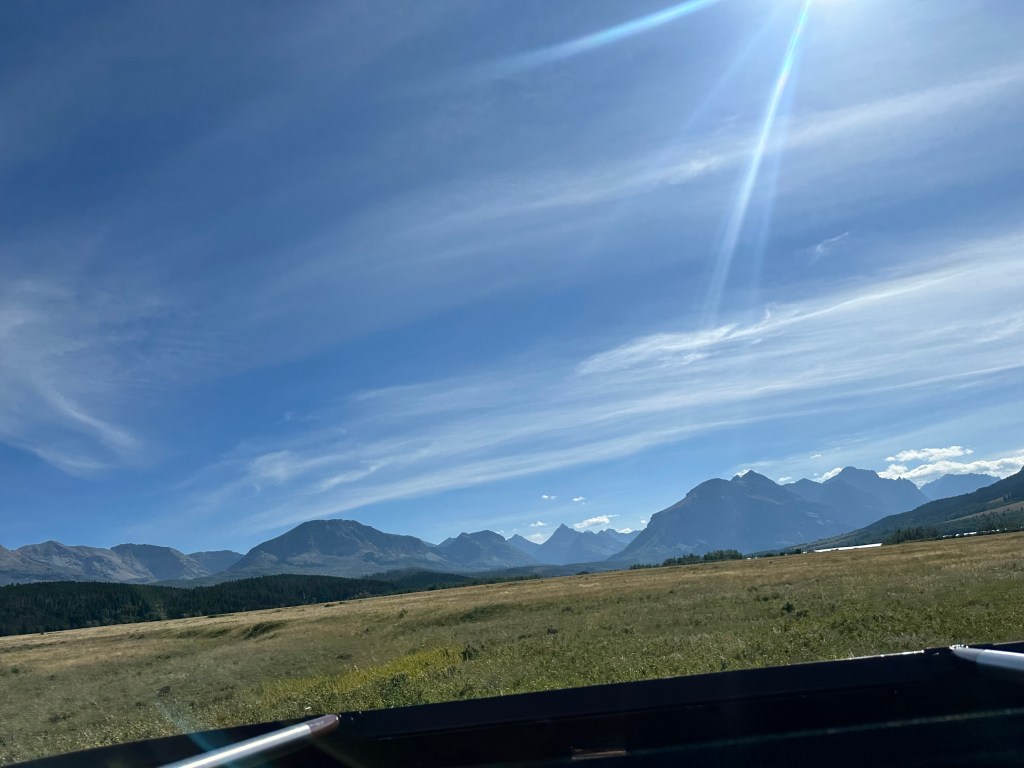
Driving from west to east means either going outside the park to go around the south side on non-park Montana roads or driving across the very narrow but scenic “Going-To-The-Sun” Road over a very high mountain pass. More to come about that…
If you want to get the most out of Glacier, you really should plan for some bigger hikes, which we did not. Now we know, and we’ll plan accordingly next time. But for now, here’s what we experienced on our first trip.
Glacier requires advance reservation vehicle passes divided in three zones: North Fork, Many Glacier, and the Going-To-The-Sun Road (I’ll call this GTTS to make life easier). We had vehicle passes for GTTS for all three days planned in the park, with hopes of scoring other passes as the NPS occasionally releases passes at the last minute. Luckily we got a pass for the North Fork at the last minute. We were excited because we wanted to explore all of the areas to the extent possible. You know nothing, Jon Snow.
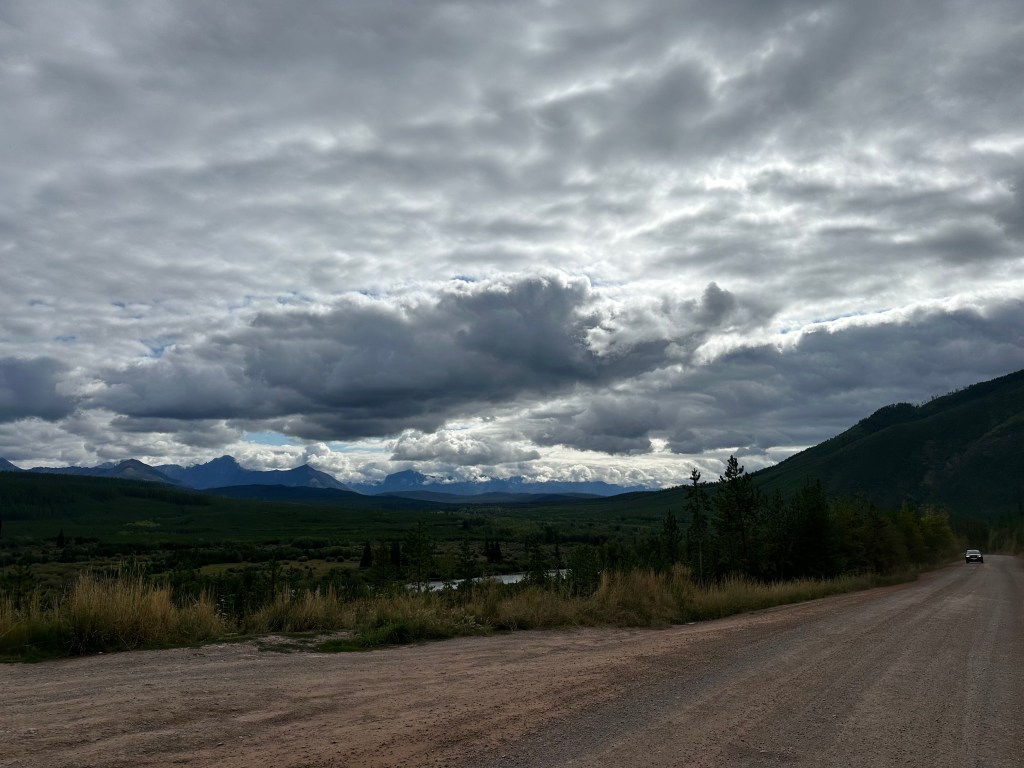
We entered through the West Glacier entrance and stopped by the Apgar Visitor Center to get our bearings. After a brief chat with a ranger, we took off for the North Fork right away, and 15 miles later we discovered that the next 20-ish miles would be over mediocre gravel roads, only for the promise of another 20 miles back, not counting whatever exploring we might do up north. We stuck with it for a few miles, but doubt crept in. With all our camping gear in the back, and a strong desire NOT to find out what parts of our road queen F350 might be prone to rattling apart given enough time, we erred on the side of caution (read: chickened out) and turned around. I’m a big fan of Top Gear, and I loved watching those guys break down time and again, but it really would be a large inconvenience.

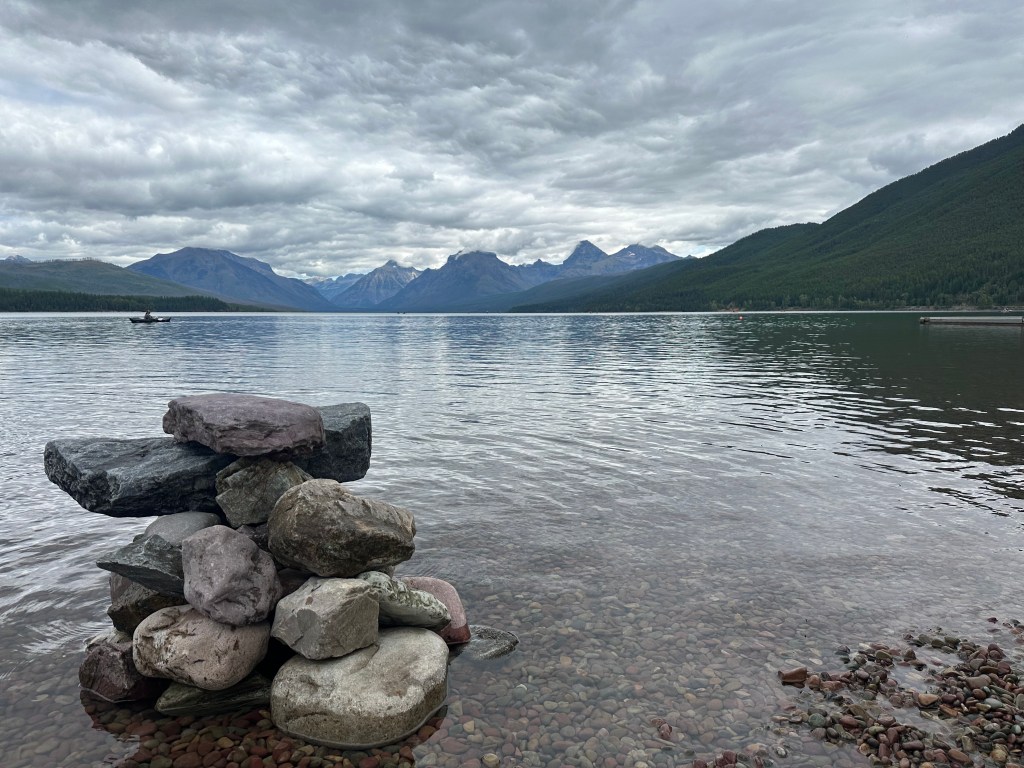
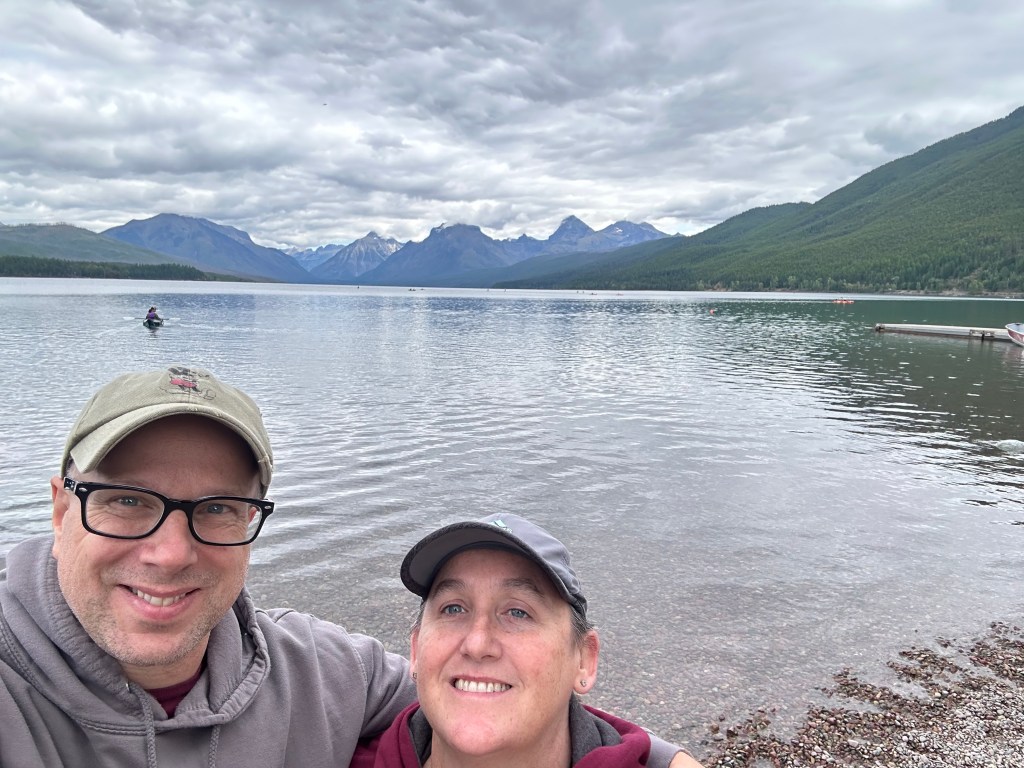
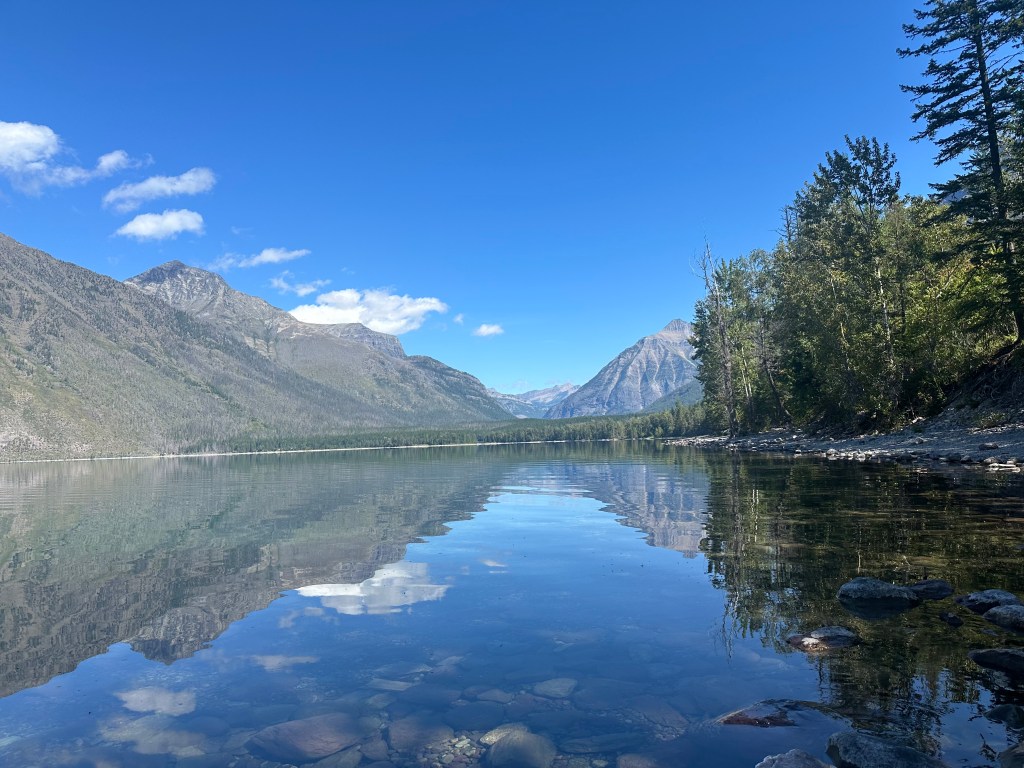
So back south we went, stopping into the Apgar Village area for a quick view of the largest lake in the park: McDonald Lake. After seeing the lake and a short run through a gift shop, we decided to take the GTTS route. We already had next-day tickets on the National Park tour bus/van/thing to have a guided tour across the GTTS, but we figured no harm in experience it ourselves right away. The first “experience” was a significant traffic jam headed into the ranger check point where they were verifying the vehicle pass for each vehicle. This was a surprisingly long line, but we would see later that controlling traffic on this road is a worthy goal.
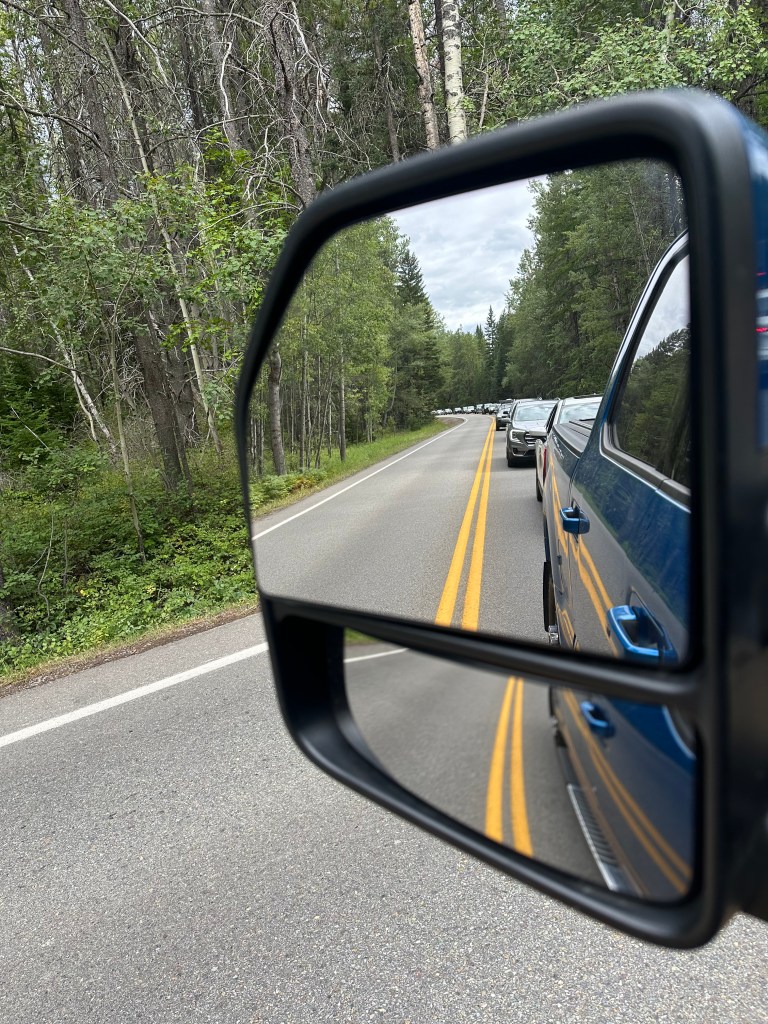
The GTTS Road – Part 1
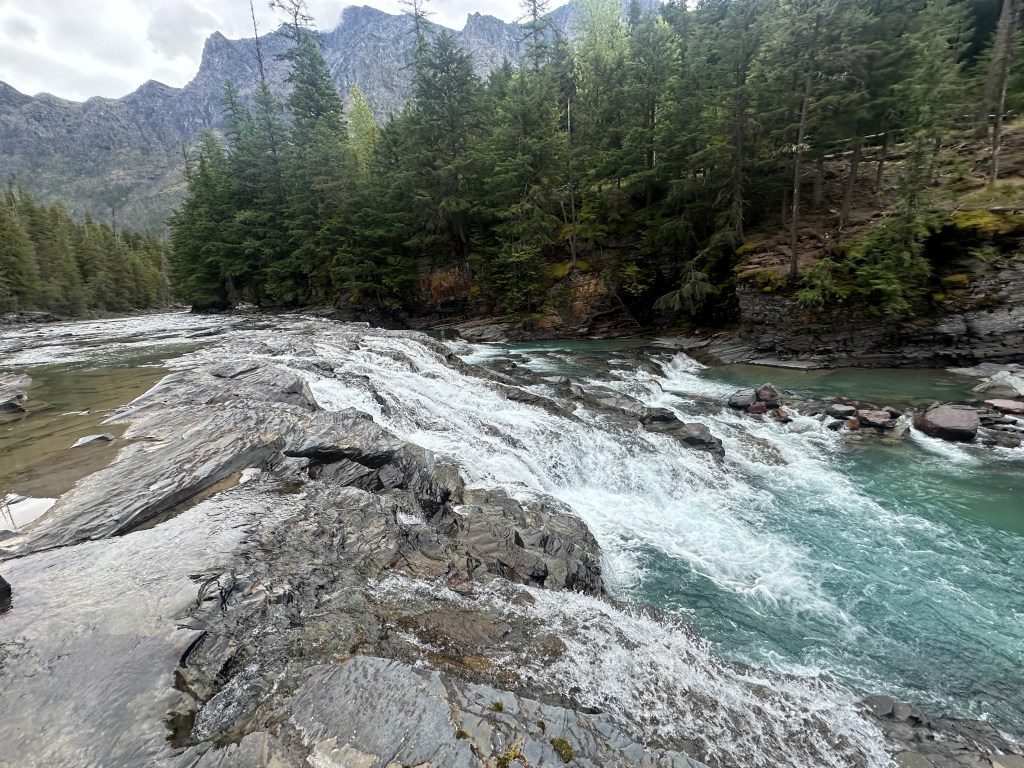
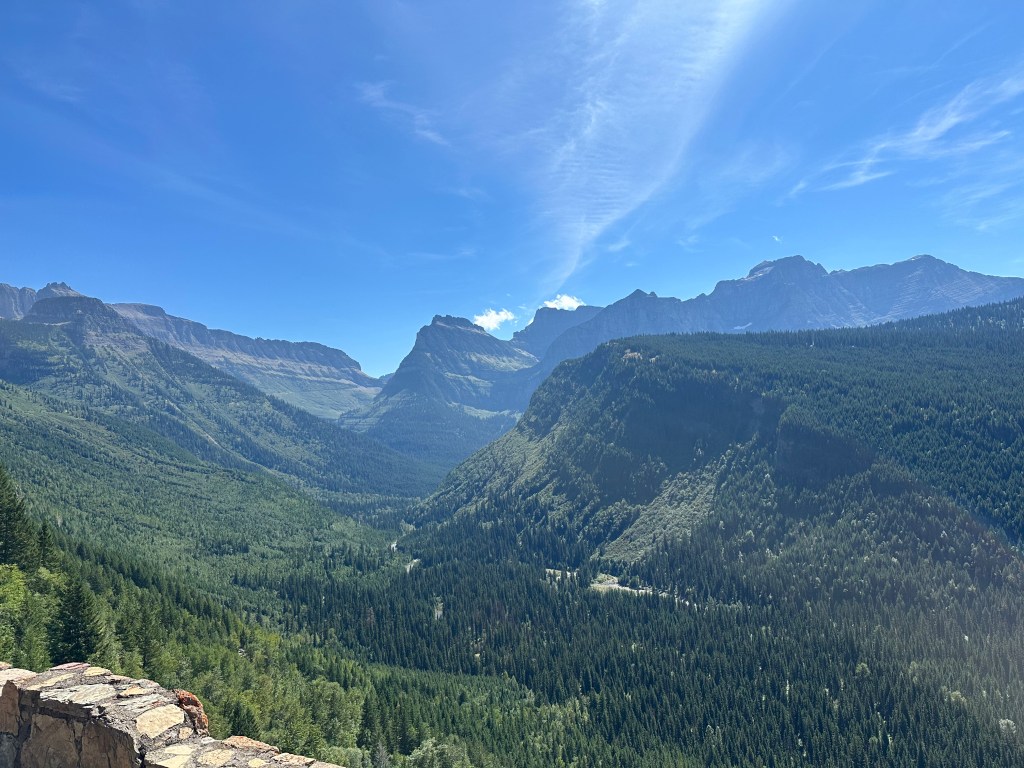
The GTTS road is approximately 50 miles long, and most of it is exceptionally scenic. However, it is also notoriously “white knuckle” worthy due to its narrow 1930s roadway, the cliff on one side, and rock face on the other.
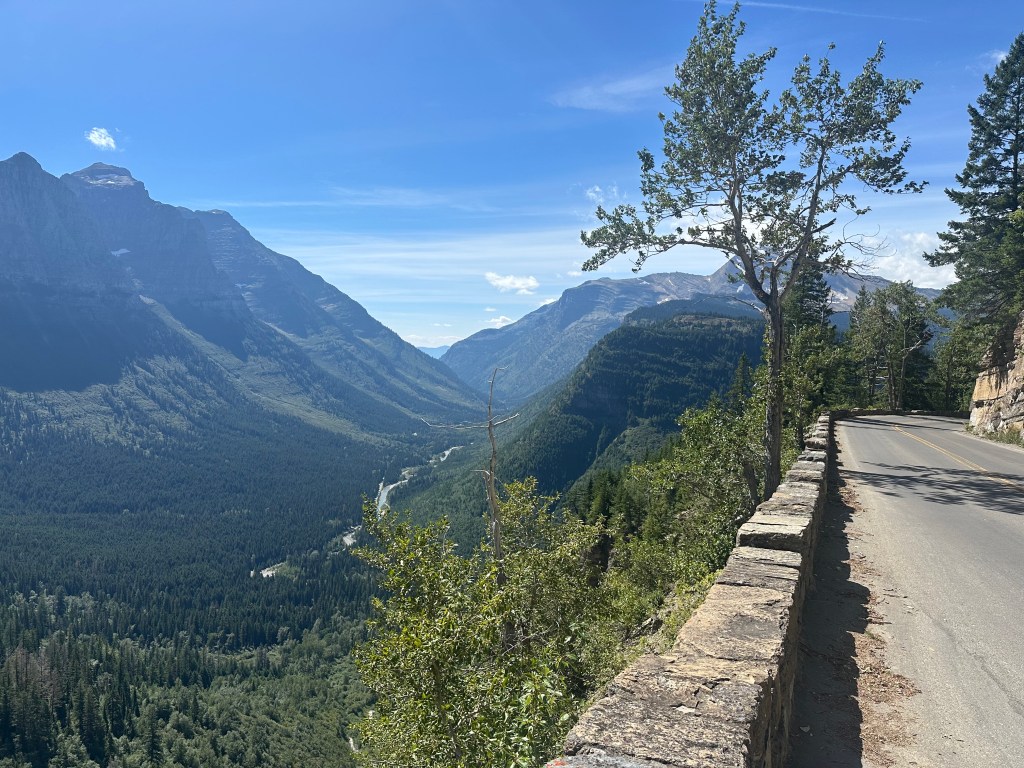

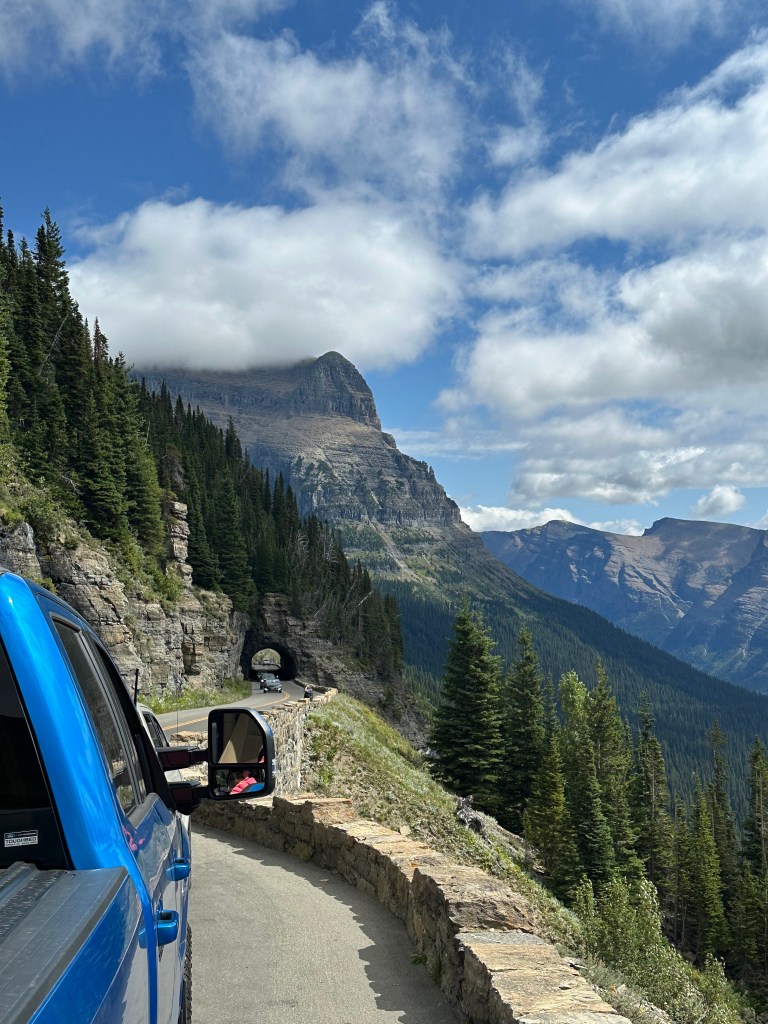
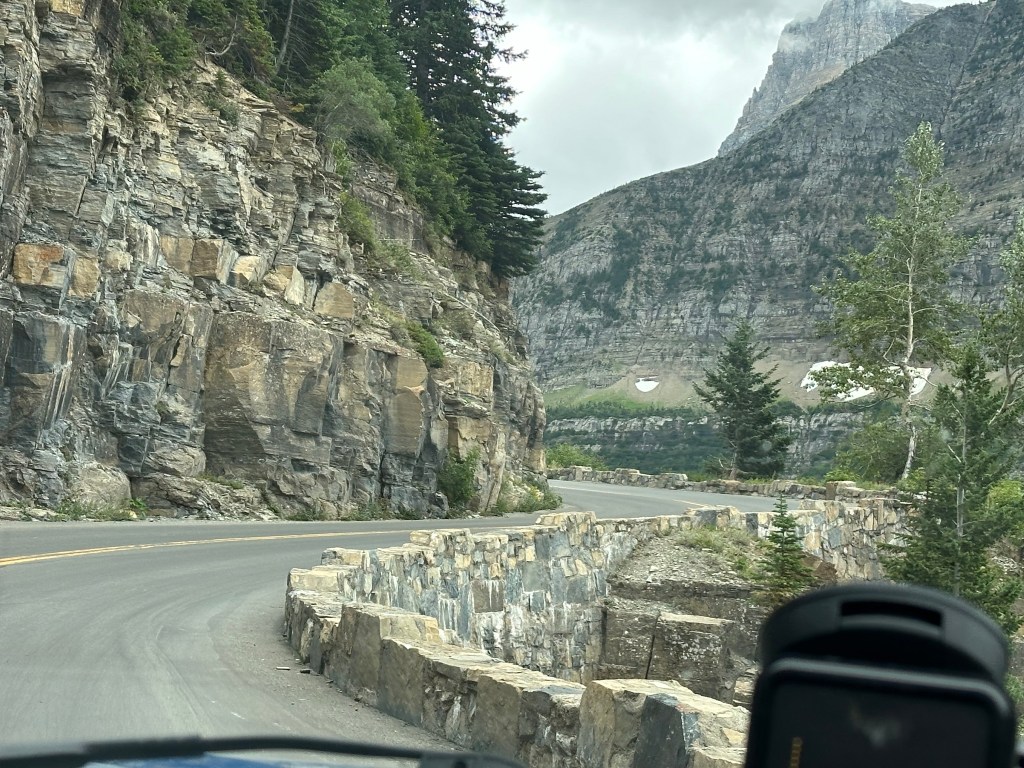
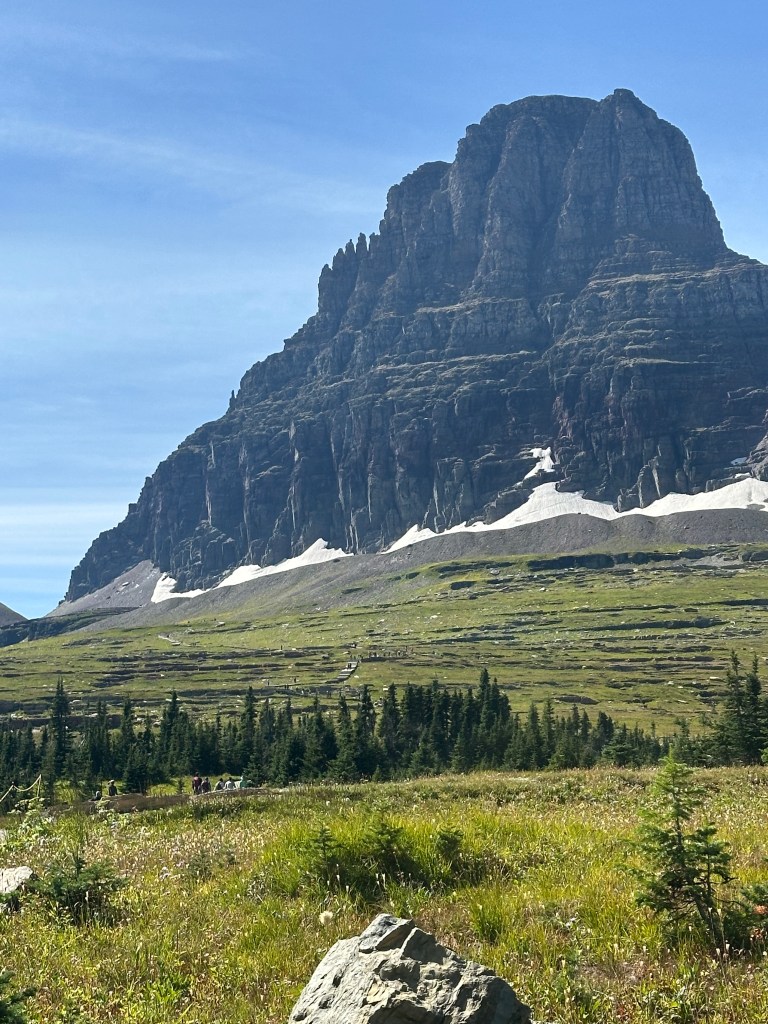
The GTTS Road crosses the continental divide at Logan Pass, which is approximately 6,600 feet. The views are pretty amazing, and there are a couple of hikes that depart from the visitor center. However, when we arrived, we found no parking spaces, and the chaos of other vehicles trolling for spots made is bail out pretty quickly. We would be back tomorrow, and the tour busses have special parking, so no worries.
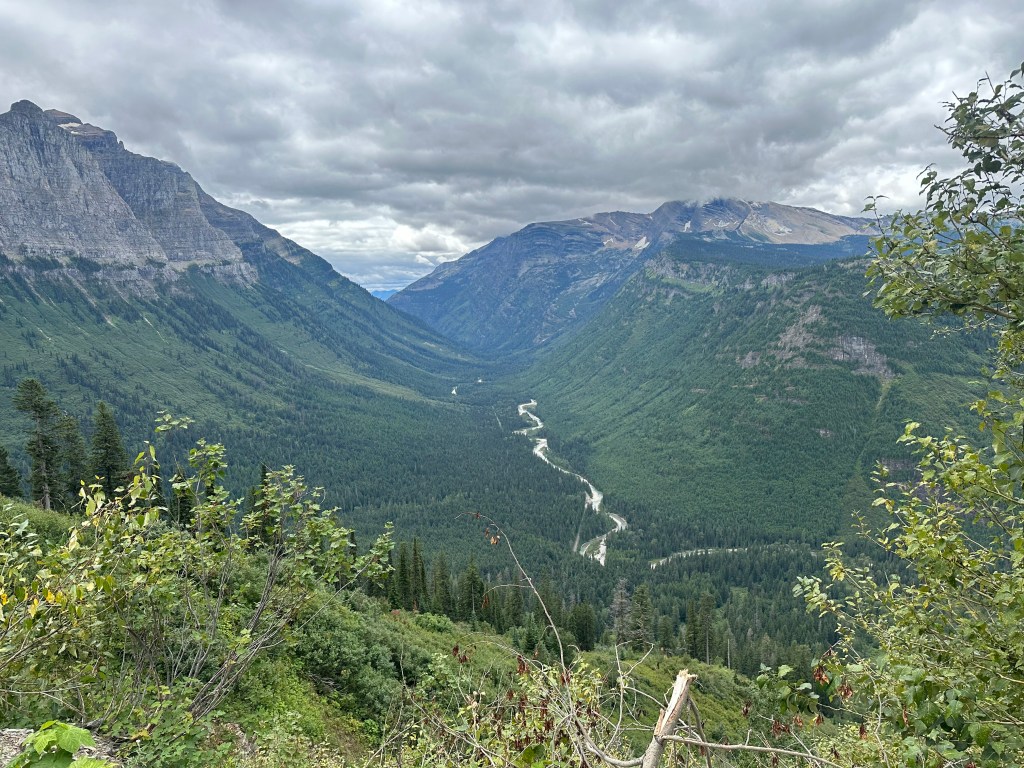
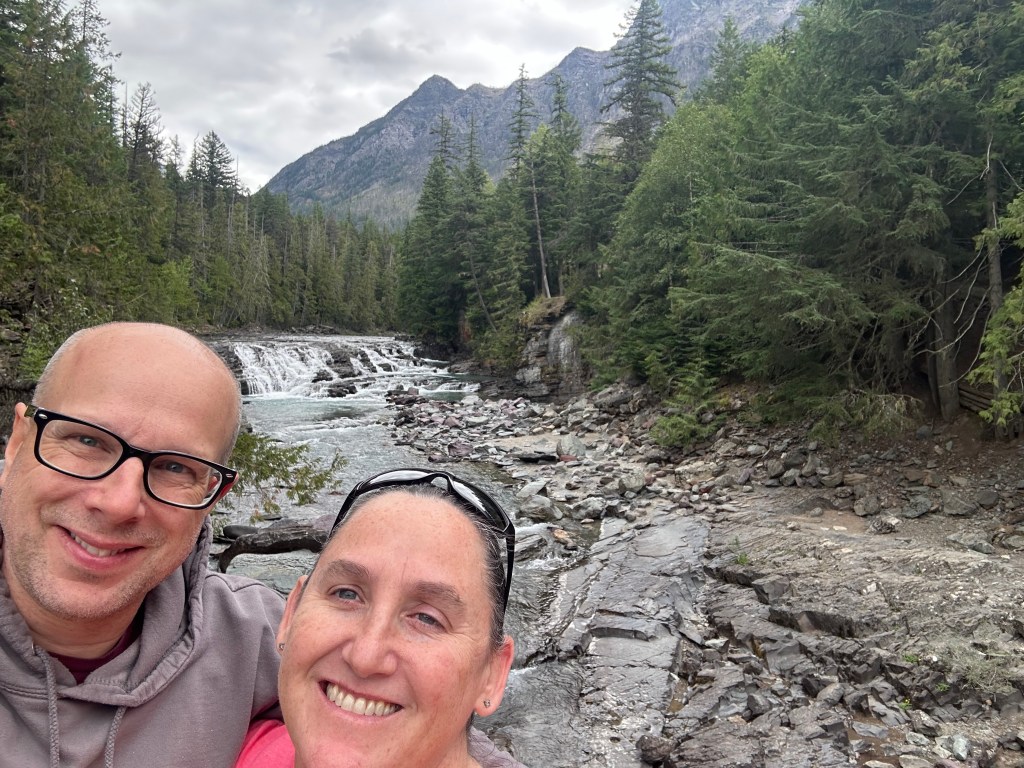
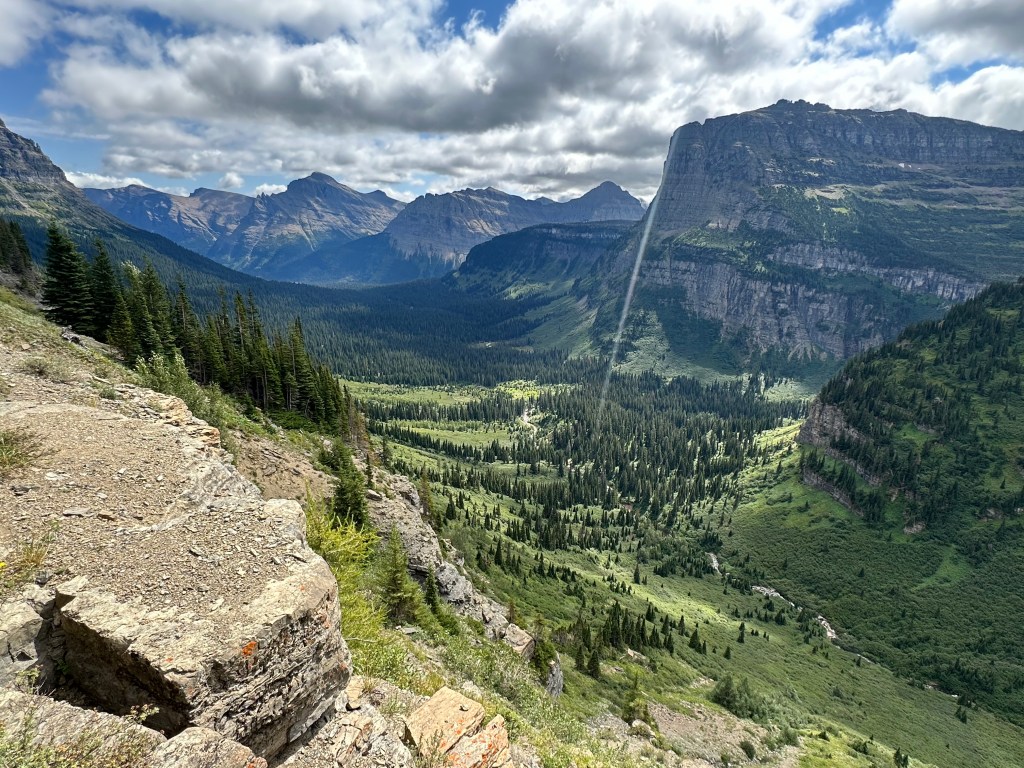
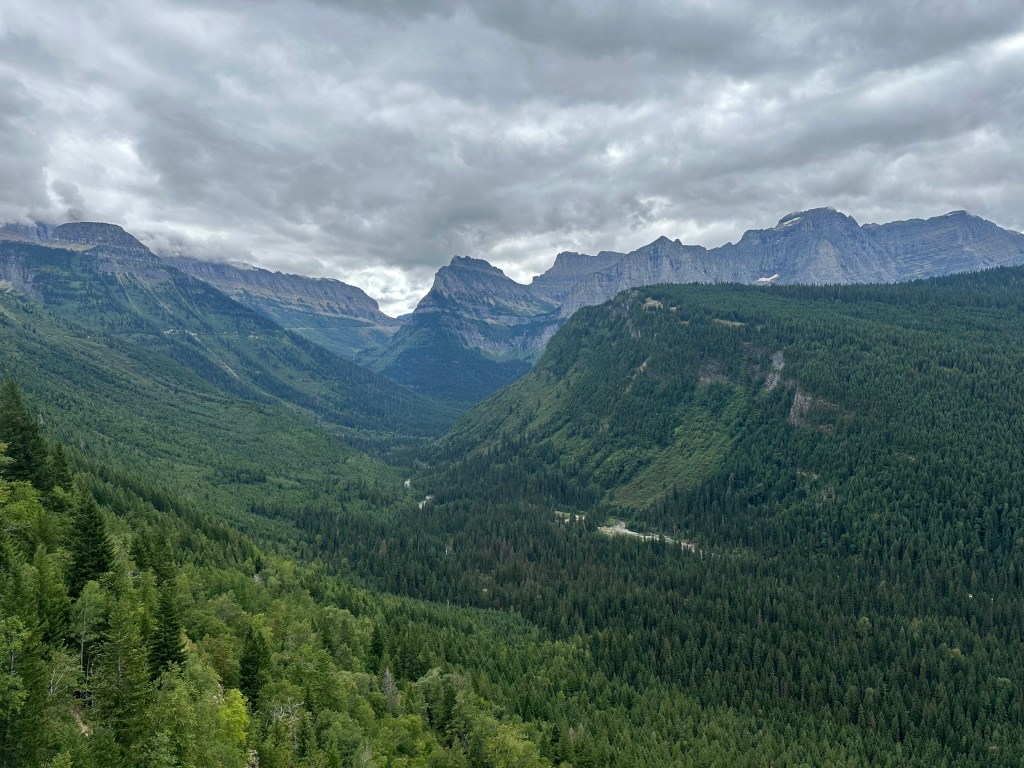
Many Glacier.
After finishing the GTTS in the village of St. Mary, it was roughly 2:15, and the vehicle pass requirement would expire at 3:00. Knowing it would take some time to make our way up the entrance to Many Glacier anyway, we figured we could time it pretty close and be able to get a sneak preview to see what else we might want to do.
We’re glad we did. Despite again needing to use unpaved roads, the area is very beautiful, with a large Swiss-Chalet lodge on Swiftcurrent Lake, with a view directly to the Grinnell Glacier.
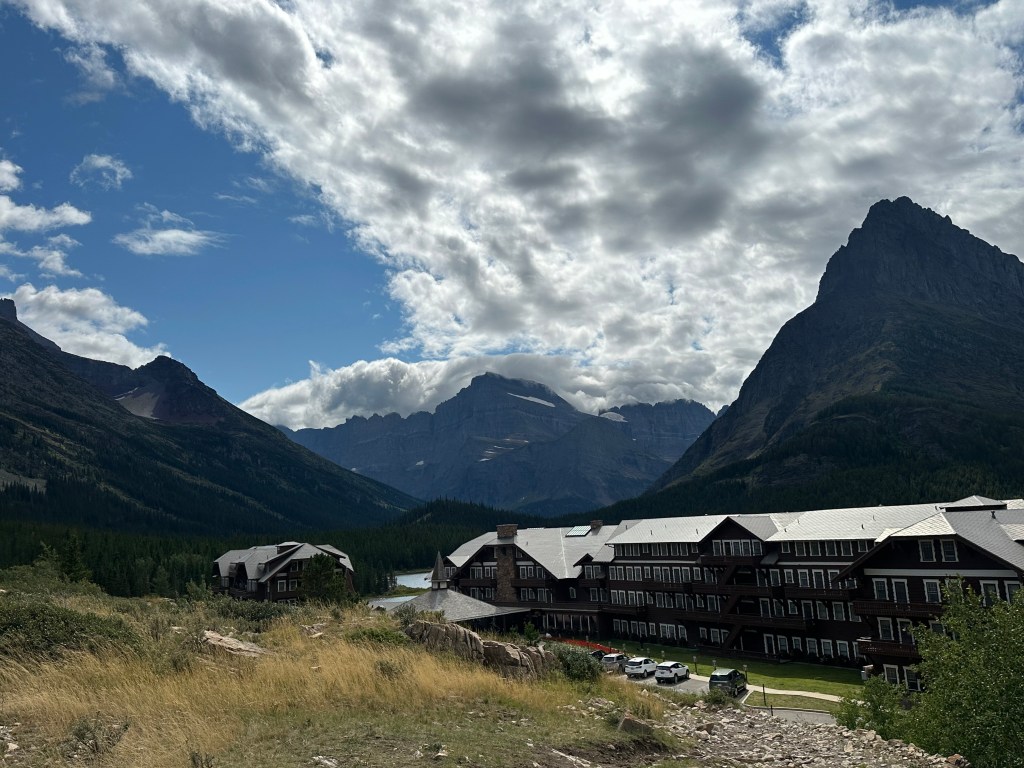
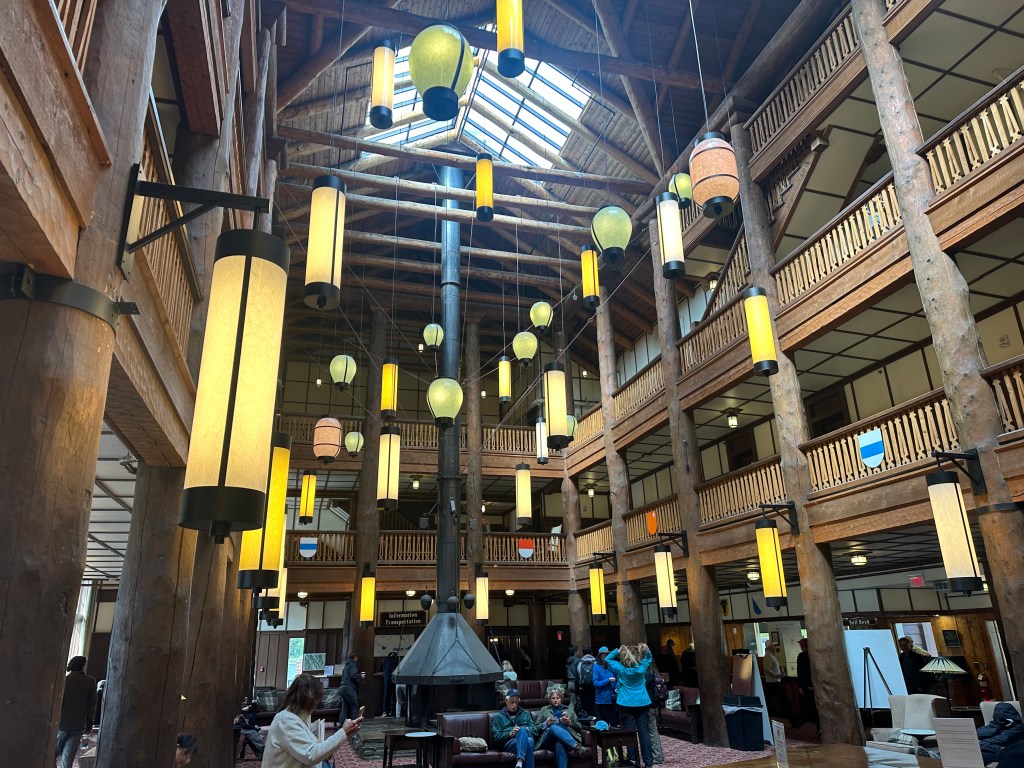

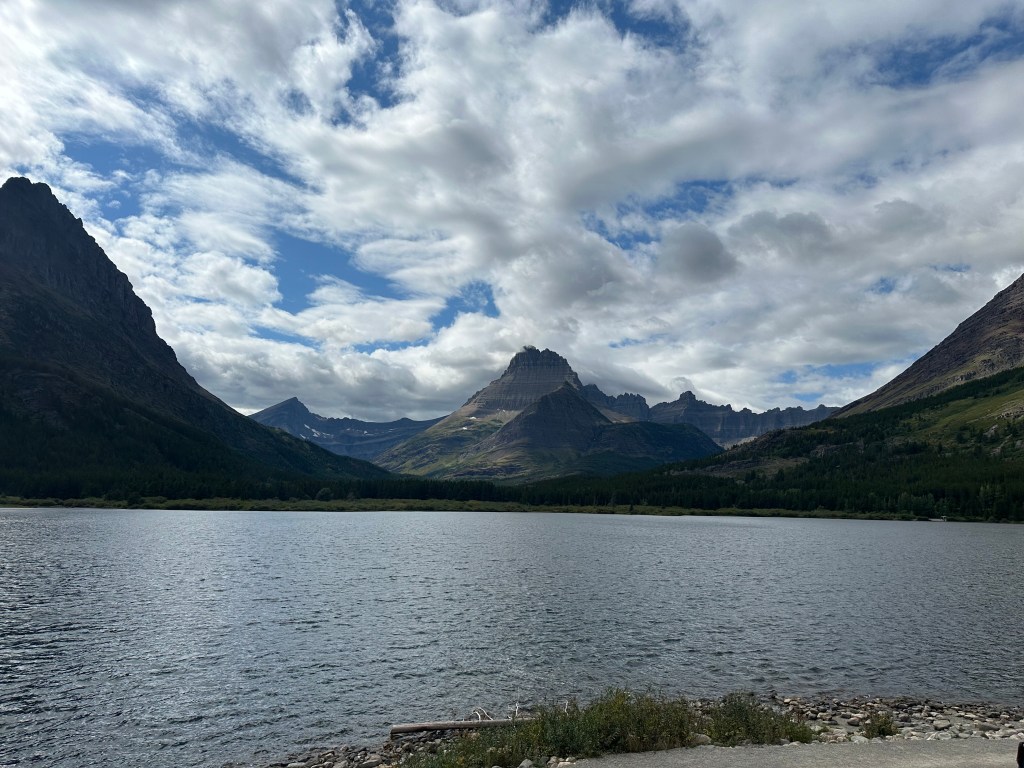
However, to proceed further requires undertaking one of several hikes, which go around the lake, up to Grinnell Glacier, or up one of several other lengthy trails. We had never the time, the planning, nor the inclination to take on any of these hikes. So instead we perused the lodge, exploring the gift shop and the lakeside areas.
GTTS Road – Part 2
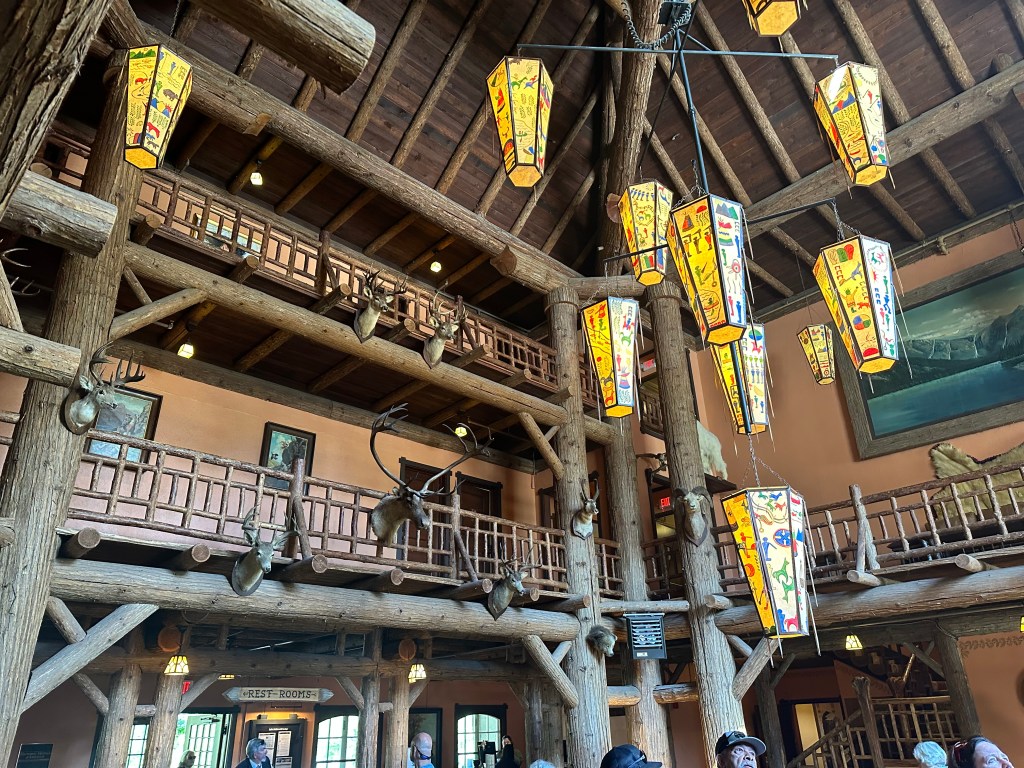
Day 2 was the bus tour, which departed from Glacier Park Lodge in the village of East Glacier. Our campground is just outside West Glacier, meaning we had an hour drive in the morning around the outside of the southern border of the park to get to the muster point. However, the Glacier Park Lodge is also very beautiful, similar to the Many Glacier Lodge but with a more traditional log-cabin architecture rather than the Swiss-Chalet style.
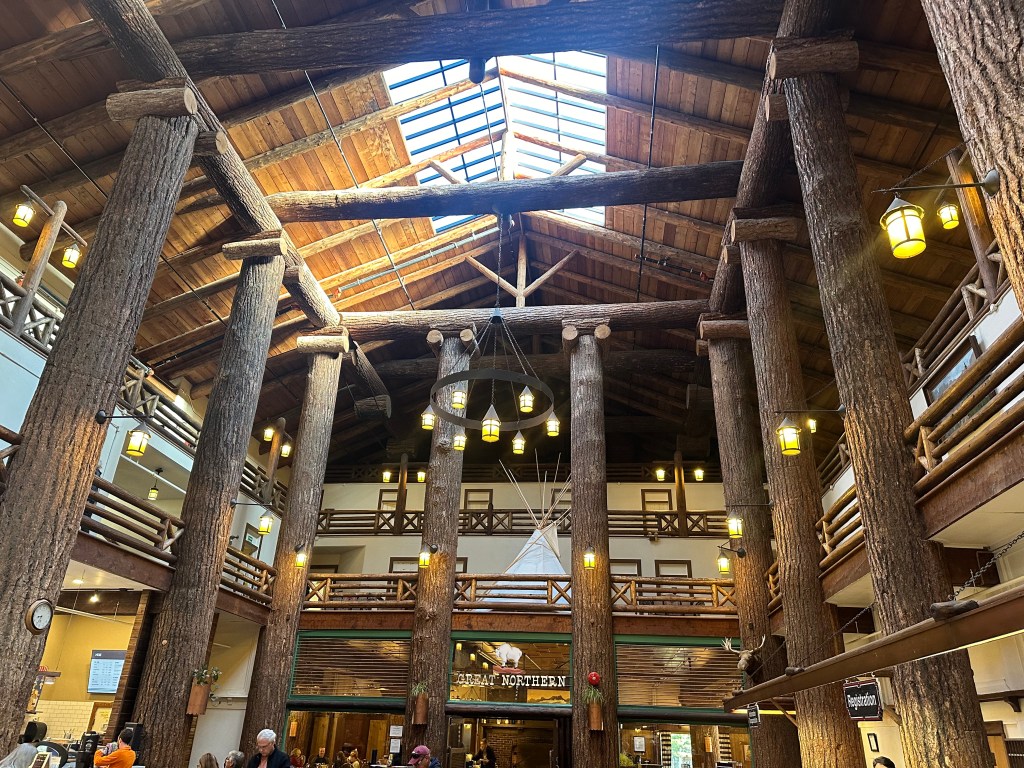
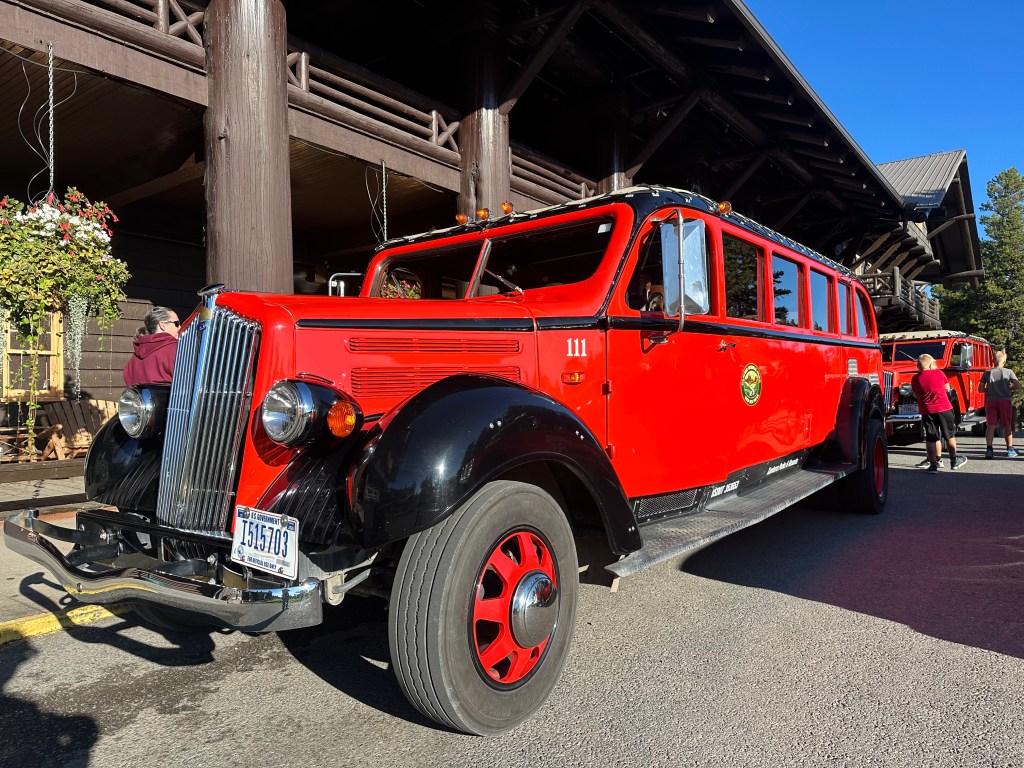
And our chariot awaited out front. The tour bus/van/thing is one amongst many identical vehicles built in the 1930s specifically for the national parks. Today, the body and interior remain the same, but the frame and drivetrain have been updated periodically over the years. The result is a reliable and purpose-built touring vehicle that has a very distinctive retro style and a convertible roof for sightseeing along the journey.
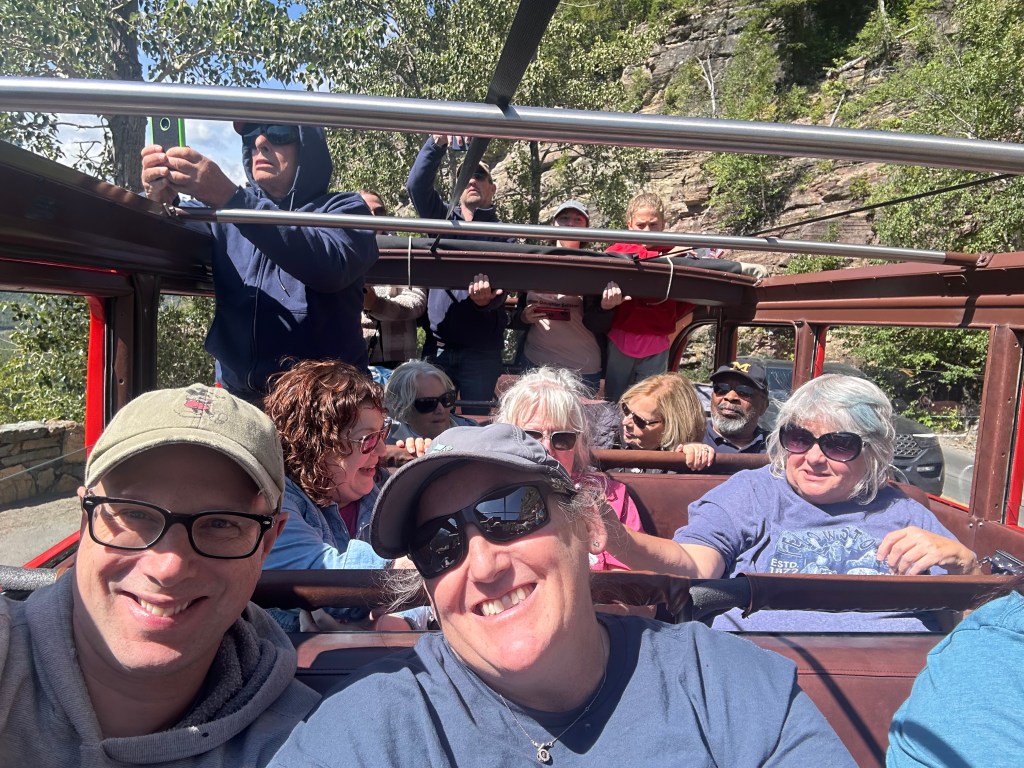
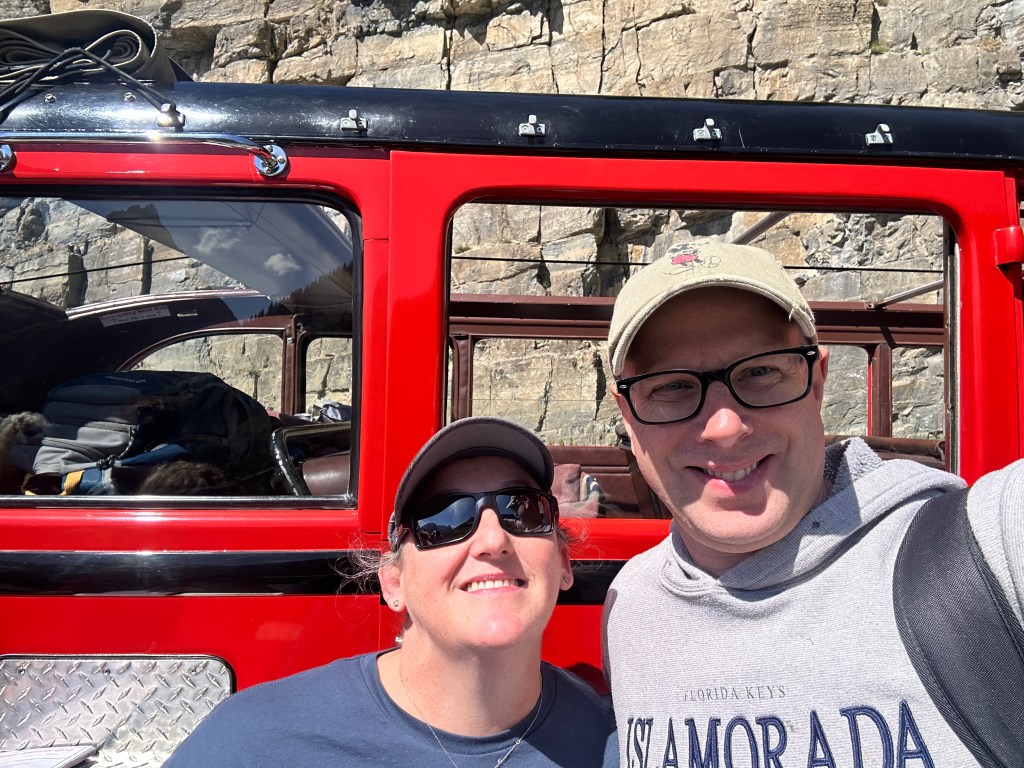
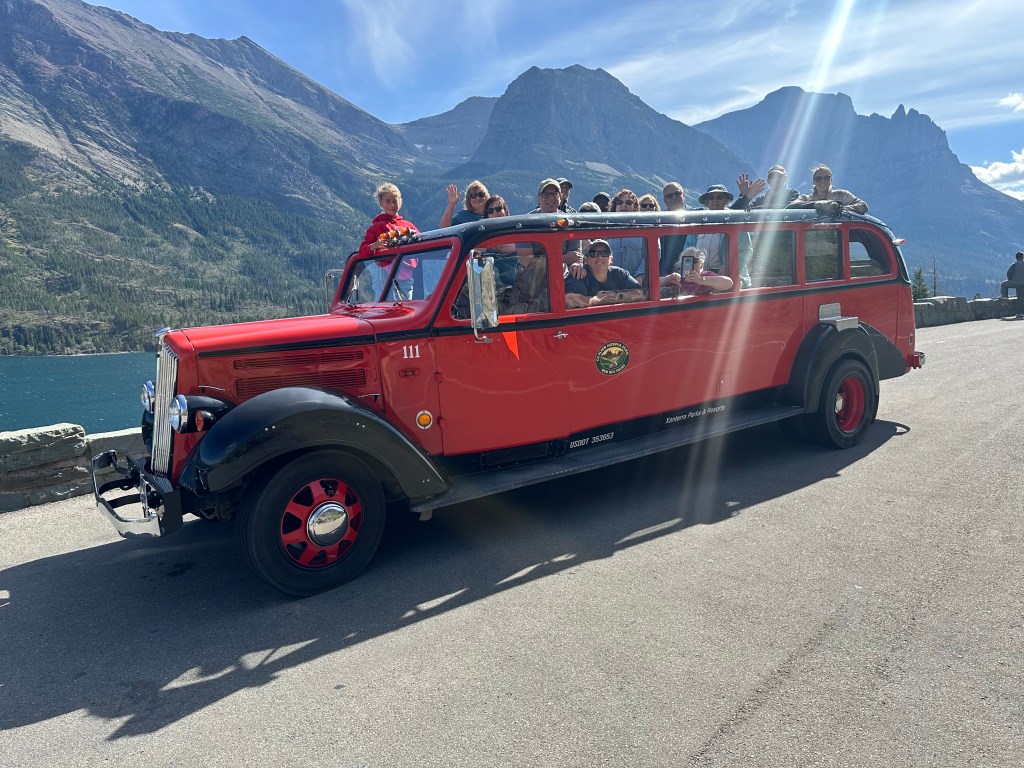
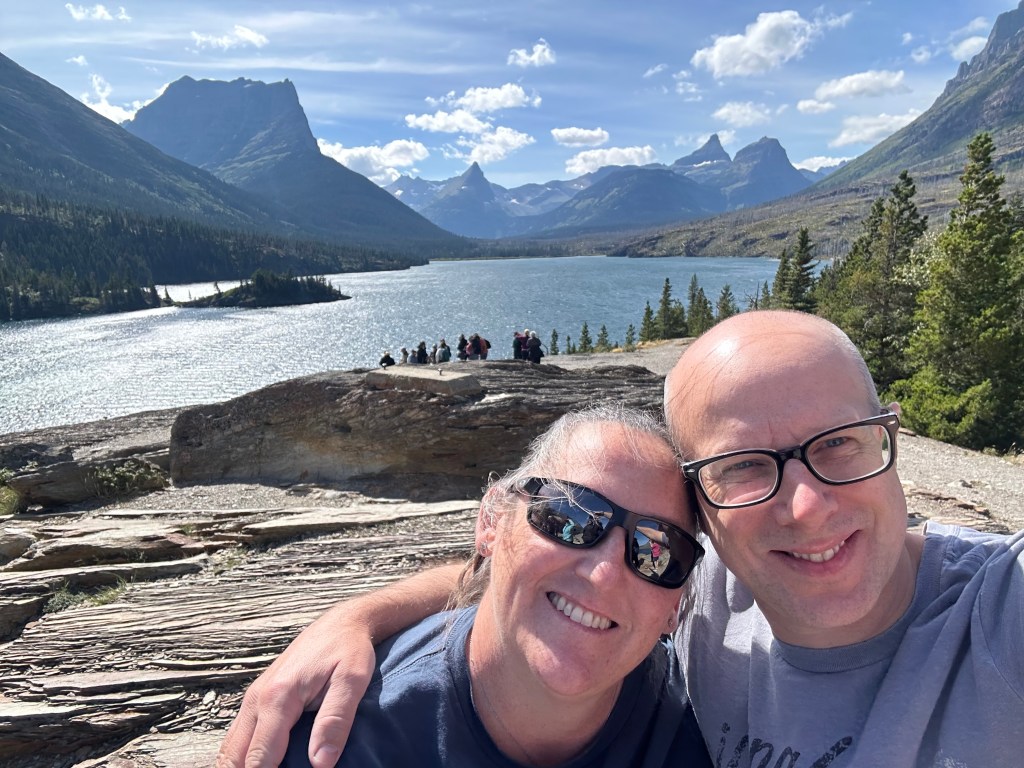
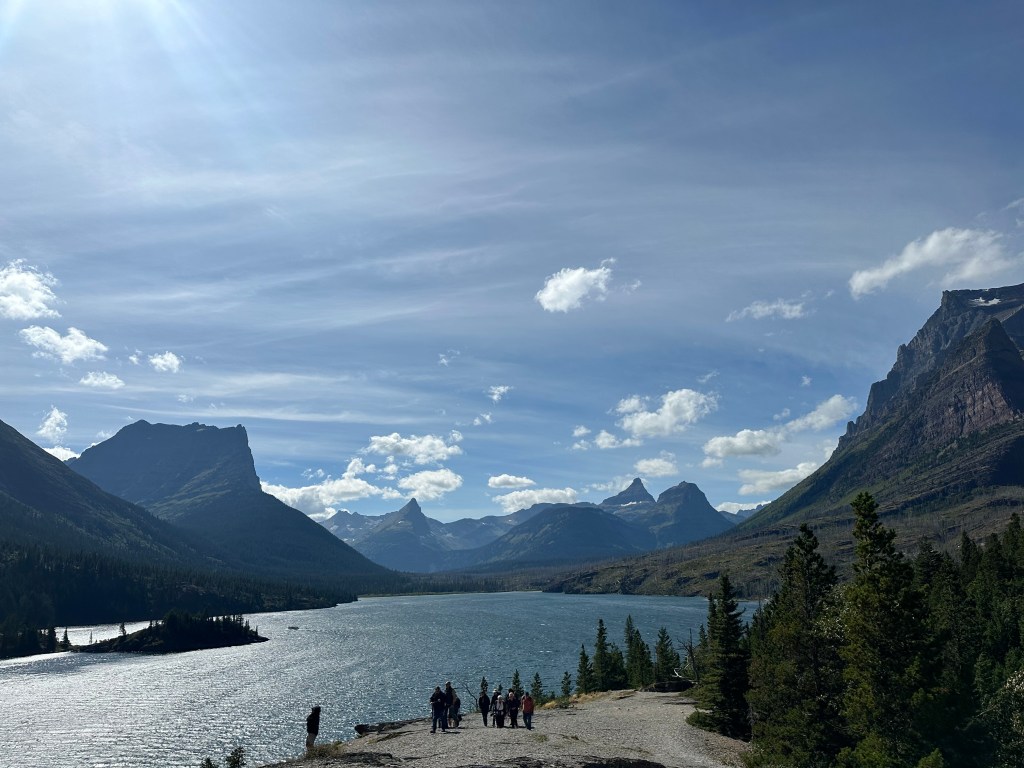
We are so very grateful to have signed up for this tour. It really allowed for a more relaxed and enjoyable travel across the GTTS, without any of the angst that attended navigating the narrow roads the day before.

Egregious Lack of Animals
One of the draws about Glacier for Micki and I was the prospect of animal spotting. We are long-time visitors and fans of Yellowstone, which is overrun with bison, deer, elk, and many other animals. Over the years, we have seen moose, bear, beavers, coyotes, and birds. So this trip to Glacier – a park that borders Canada and straddles the Rocky Mountains – gave rise to hope of seeing similar large animals, including goats, moose, and bear.
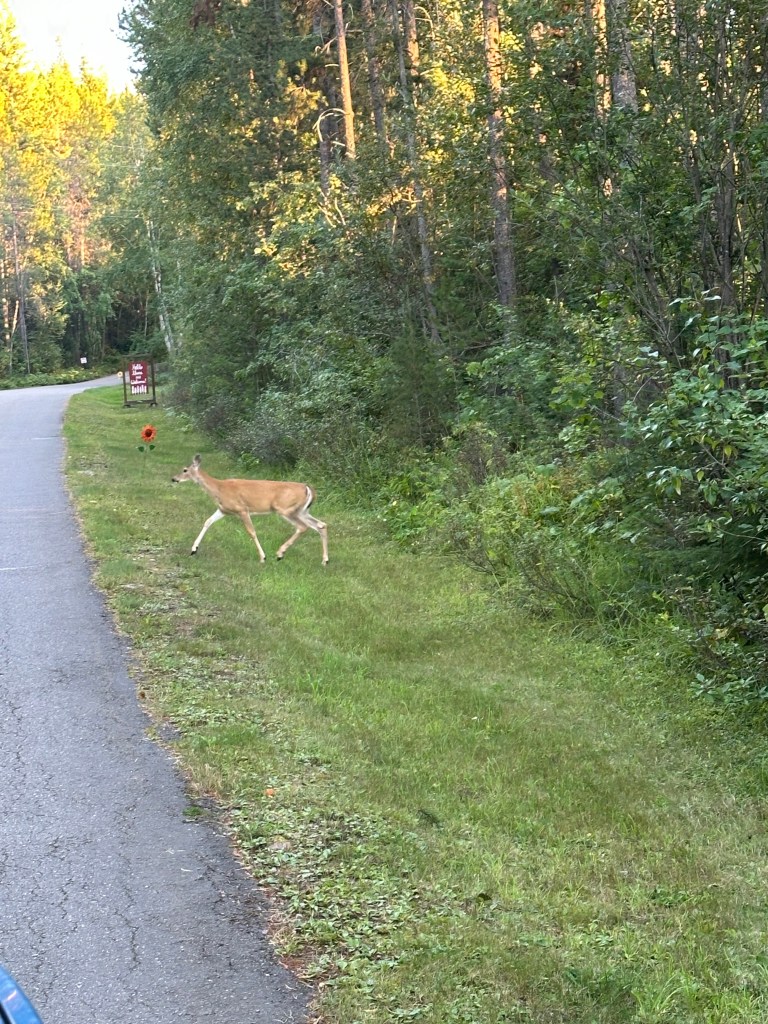
But we’ve seen nothing except a few cattle in the fields outside the park, a fiew small forest rodents, and a couple of dogs running free from homes along the road. Only this evening did we finally see one deer, but rather than in the park, this deer was in the entryway to our campground.
Where’s Bella?
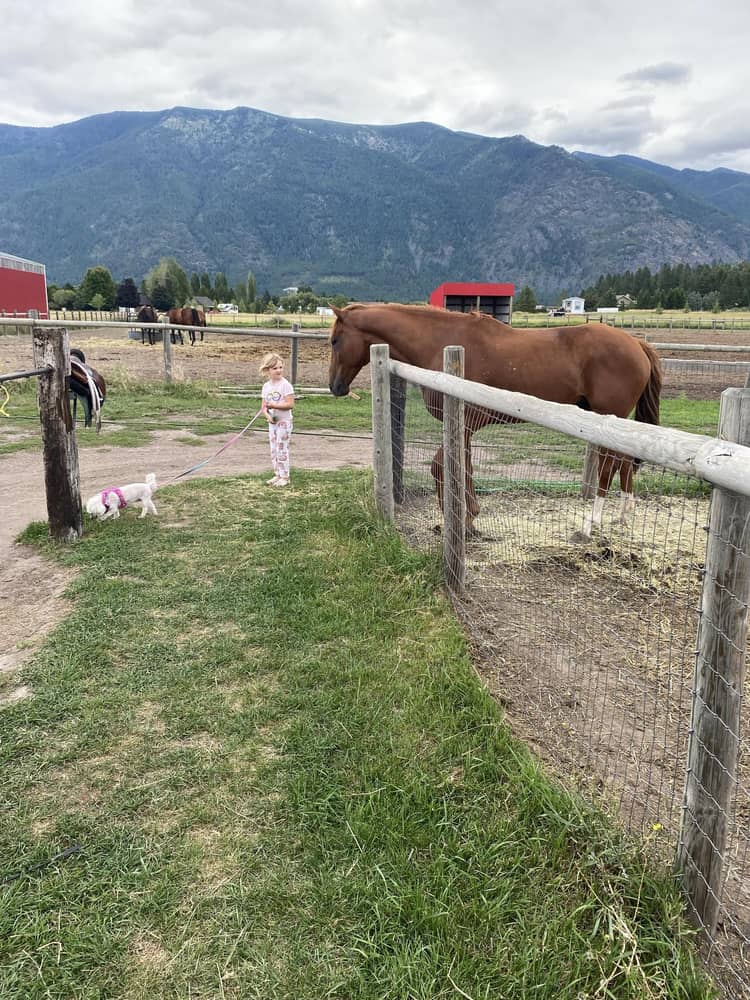
No dogs allowed in Glacier, and we obviously planned on long days away from the trailer. So used an app called ROVER and found a local family willing to dog sit at their home. Bella was spoiled rotten for these two days.


 Mouse House Adventures
Leave a reply to krispynoisily7a2ddc7f1b Cancel reply